
Private-label diaper brands
Translate positioning, sizing, absorbency, skin-contact materials and packaging into comparable factory questions.
MoleSupply helps brands and distributors prepare a structured diaper brief, compare relevant factory options and identify evidence needed before production.
Materials, performance, MOQ, pricing, documents and lead time require product-specific factory confirmation.
✓Diaper or training-pants format
✓Size and baby-weight range
✓Absorbency and material requirements
✓Pack count, market and order quantity
The same product name can hide major differences in construction, materials, fit, packaging and evidence.
Translate positioning, sizing, absorbency, skin-contact materials and packaging into comparable factory questions.
Review size ranges, pack configurations, carton data and destination-market documentation for distribution.
Compare taped diapers, pull-ups or training pants while keeping performance and fit requirements visible.
Factory options are organized around specification, samples, commercial terms, documentation questions and quality controls.
Read the related sourcing guide →Confirm taped diaper, pull-up or training-pants format, size range, baby-weight reference and intended market.
Document core structure, acquisition layer, leak protection, top sheet, back sheet and fit expectations.
Normalize MOQ, materials, samples, packaging, documents, lead time and assumptions.
Assess fit, construction, absorbency direction, artwork and inspection checkpoints before production.
Real Companylove product and packaging examples, shared with brand-owner permission. Specifications, claims, MOQ, price, documents and current capacity require project confirmation.
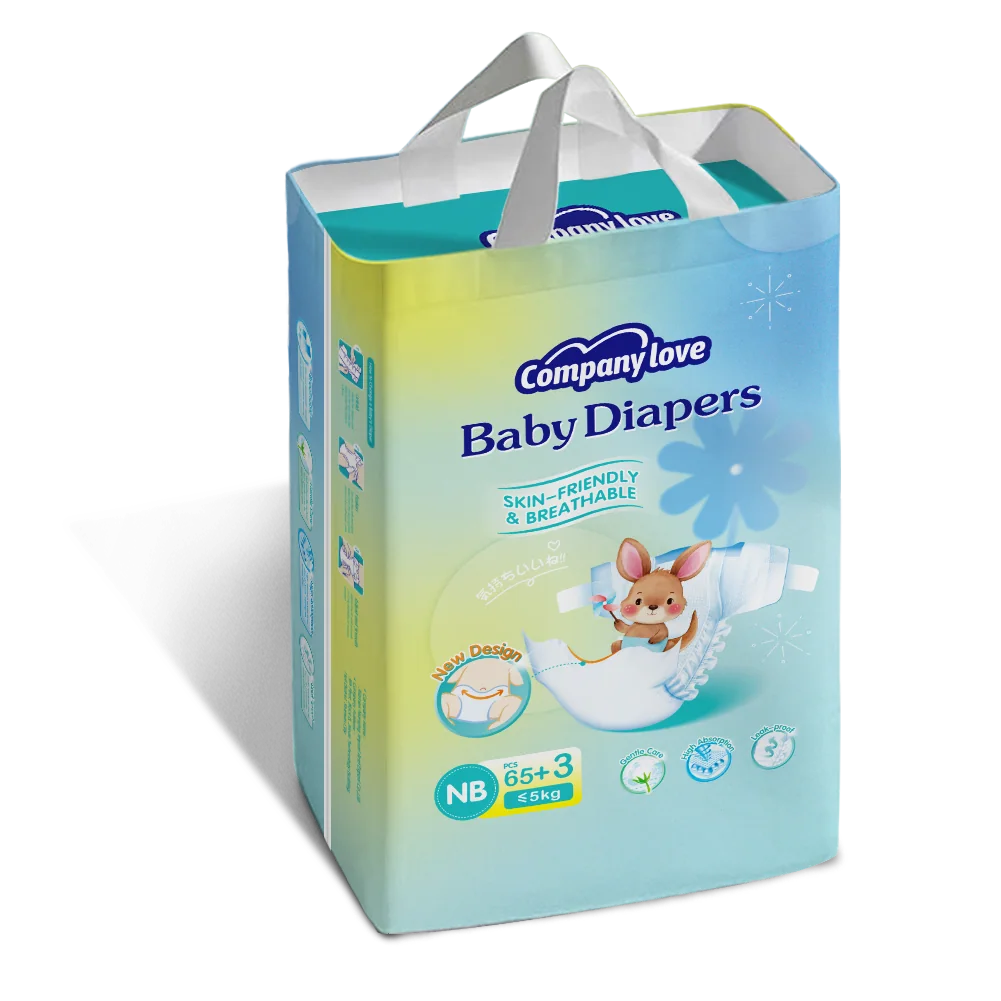
A real branded carry-pack example with product format, size identification, pack count and consumer-facing artwork.
Wet wipes, baby diapers and adult incontinence products share private-label and quality-control needs, but each requires a separate product specification, evidence review and destination-market assessment.
Keep format, sizing, construction, materials, packaging and evidence consistent so factory quotations and samples are comparable.
Define format, size system, target baby-weight range, dimensions, waist and leg-fit direction.
Request: size chart, product drawing and representative sampleCompare core construction, acquisition layer, distribution, cuffs and the test method behind performance figures.
Request: component specification and agreed test evidenceReview topsheet, backsheet, elastic, fastening, wetness indicator, printing and material restrictions.
Request: material declaration and measured sampleConfirm pack count, artwork, size identification, claims, cartons, approved references and production checkpoints.
Request: packaging proof, QC checklist and inspection evidenceA lower quotation may reflect different dimensions, components, core construction, packaging or testing assumptions. Confirm the complete specification before selecting a factory.
Clear answers make supplier quotations easier to compare and reduce avoidable assumptions.
Provide the diaper format, size range, target baby weights, absorbency direction, pack count, estimated quantity, destination country and private-label requirements.
Customization may include components, prints, packs and cartons, but available options, setup costs and MOQ must be confirmed with the selected manufacturing route.
Sample review should cover construction, dimensions, fit reference, absorption and leakage questions, skin-contact materials, packaging and consistency with the approved specification.
No. Product classification, claims, testing and documentation vary by destination. Relevant evidence must be reviewed for the specific product and market.
Depending on the product and market, organize the product specification, component information, available test records, packaging files, approved samples and production quality records for review.
Dimensions, core construction, components, packaging, order quantity, testing assumptions and included services can differ. Normalize the specification before comparing unit price.
Share your target format, size range, pack configuration, quantity and destination market.