
Private-label wipes
Compare baby, personal-care, household or pet-wipe formats against a defined substrate, liquid and pack brief.
MoleSupply helps brands and distributors define the wipe, research relevant China factories and organize OEM or private-label questions before sampling and production.
Factory availability, MOQ, price, claims, documents and lead time depend on the final product and destination market.
✓Wipe application and target user
✓Substrate, sheet size and pack count
✓Formula or fragrance direction
✓Destination market and estimated quantity
A useful factory search starts with the intended use and technical brief, not only a target unit price.
Compare baby, personal-care, household or pet-wipe formats against a defined substrate, liquid and pack brief.
Review alternative sheet sizes, pack counts, closures and packaging formats for an established product line.
Normalize formula, nonwoven specification, claims, testing questions and commercial terms before comparing quotations.
We separate confirmed requirements, supplier statements, evidence requests and unresolved risks so the buyer can make the next decision.
Read the related sourcing guide →Confirm user, application, destination market, claims and prohibited ingredients before factory research begins.
Document substrate, basis weight, sheet size, folding, liquid ratio, fragrance, count and closure.
Review manufacturing scope, MOQ, samples, packaging capability, documentation and open compliance questions.
Confirm the product, artwork, packaging proof and quality checkpoints before production decisions.
Real Companylove product and packaging examples, shared with brand-owner permission. Specifications, claims, MOQ, price, documents and current capacity require project confirmation.
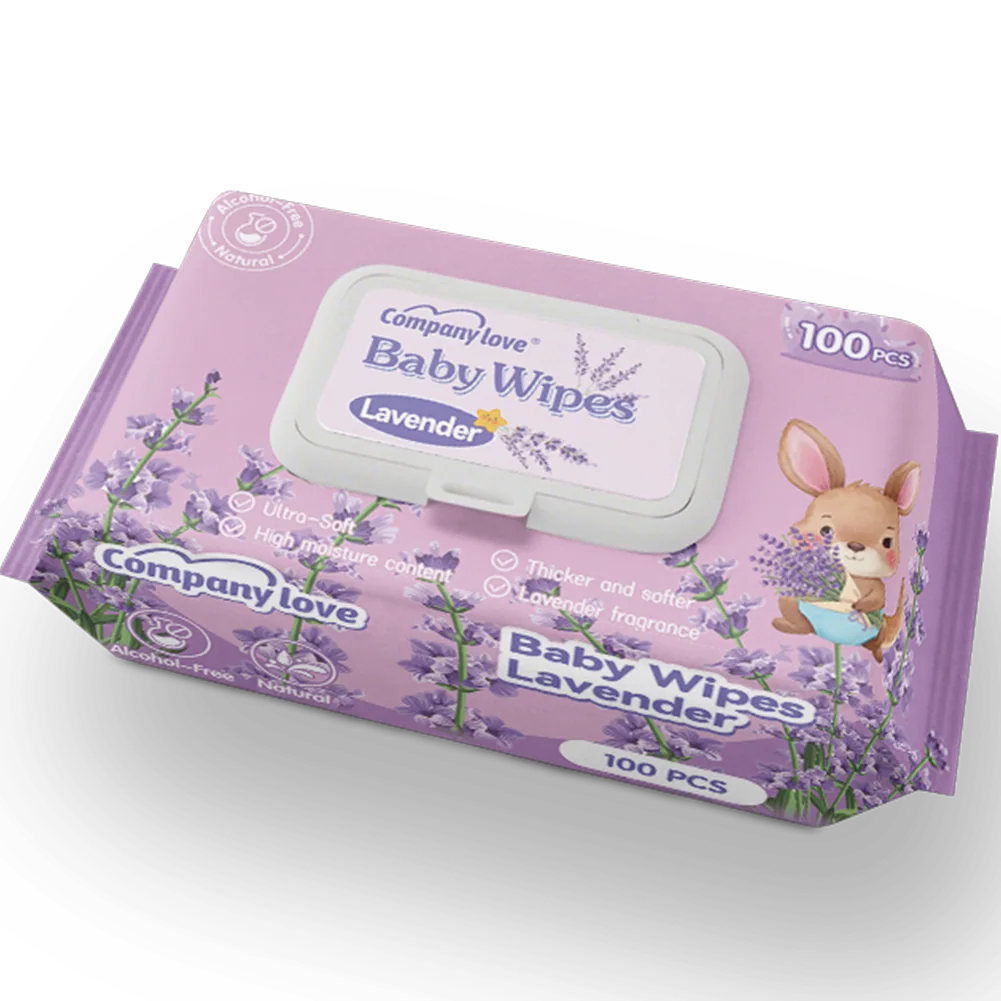
A finished fragrance and artwork direction using a branded pouch, lid and 100-piece retail format.
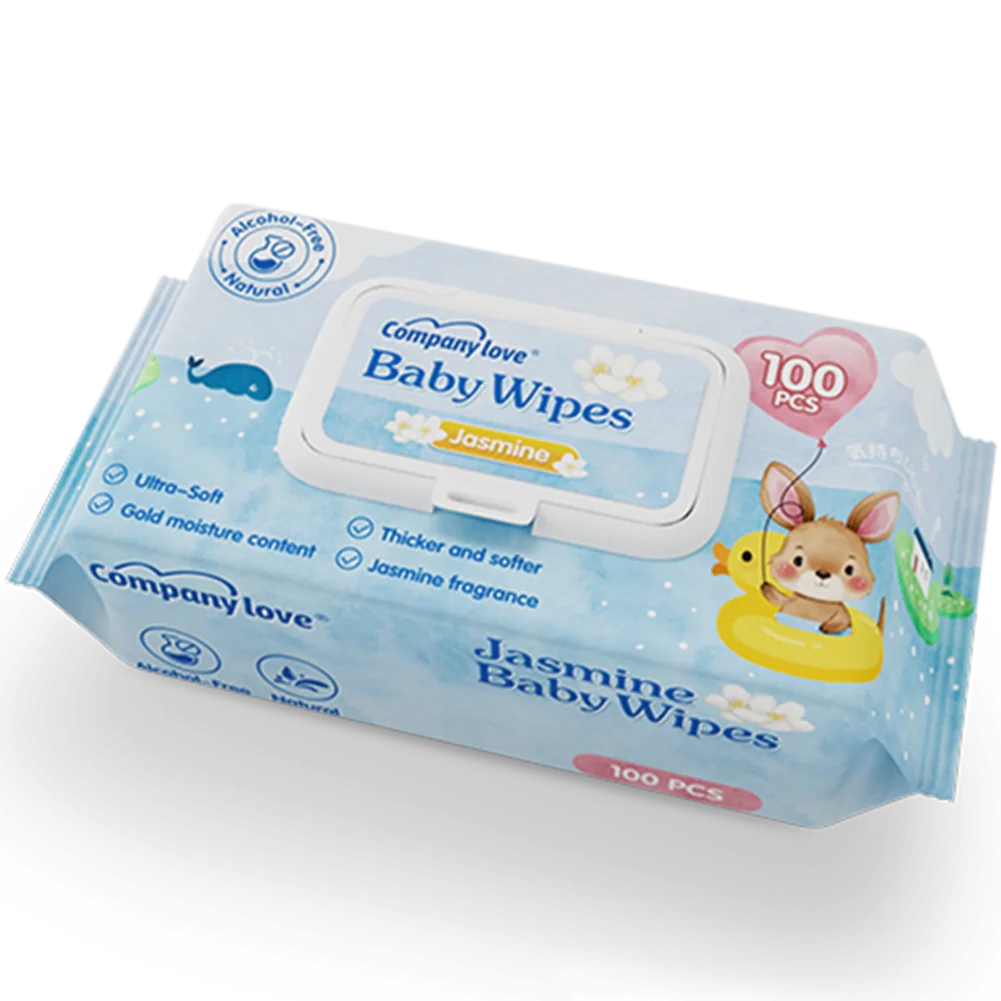
A related product variant showing how color, fragrance direction and packaging artwork differentiate a range.
Wet wipes, baby diapers and adult incontinence products share private-label and quality-control needs, but each requires a separate product specification, evidence review and destination-market assessment.
Keep substrate, liquid, sheet, pack and quality assumptions consistent so samples and quotations can be reviewed like for like.
Define nonwoven material direction, basis weight, texture, sheet dimensions, folding and count per pack.
Request: substrate specification and measured sampleDocument intended application, liquid ratio, fragrance direction, prohibited ingredients and claim questions.
Request: formula information and relevant available test evidenceConfirm film structure, label or lid, opening, seal performance, pack count, artwork, claims and carton configuration.
Request: dieline, packaging proof and sealed sampleDefine sheet count, dimensions, liquid consistency, seal, coding, appearance, pack weight and carton checks.
Request: approved sample, QC checklist and inspection recordA lower price may reflect a different substrate weight, sheet size, liquid loading, closure, film structure or testing scope. Confirm these variables before comparing suppliers.
Clear answers make supplier quotations easier to compare and reduce avoidable assumptions.
Share the intended use, sheet material and size, liquid or fragrance direction, pack count, closure type, estimated quantity, destination country and private-label requirements.
Many factories support printed pouches, lids, labels and cartons. Print MOQ, artwork, claims, packaging lead time and component availability must be confirmed for each project.
No. Marketing claims require product-specific evidence and must be reviewed against the destination market. Supplier statements alone should not be treated as independent proof.
No. MOQ and price depend on substrate, formulation, packaging, printing, testing and order volume. MoleSupply organizes comparable factory responses for buyer review.
Use the same intended use, substrate, sheet size, liquid direction, pack count and closure brief. Record dimensions, feel, liquid consistency, seal, count and packaging against the approved requirement.
Claims such as flushable, biodegradable, organic, antibacterial, hypoallergenic or destination-specific statements should not rely only on supplier wording. Review product-specific evidence and applicable market requirements.
Send a reference image or product link with the intended use, pack format, quantity and destination market.